

En esta lectura vamos a explicar qué es una entrevista.

Una entrevista tiene preguntas y respuestas. El texto debe ser interesante para el lector; el destinatario. A diferencia de una entrevista oral, la entrevista escrita tiene características típicas de un texto escrito. Por ejemplo, normalmente hay:
- Una entrada o introducción al tema de la entrevista, o una presentación de la persona entrevistada
- Fotos
- Preguntas y respuestas
- Alguna conclusión
Aquí os dejo algunos ejemplos de preguntas de una entrevista:
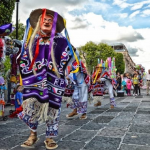
¿Conoces las fiestas del barrio en el que vives? En el caso de responder que sí, preguntar:
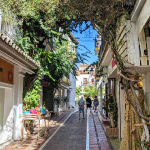
¿Cuáles? ¿Cuándo se celebran? ¿Participas?. ¿De qué manera? ¿Crees que tu barrio es un lugar de residencia permanente o más bien un lugar de paso? ¿Qué representa para tí? ¿Qué es lo que más te gusta de tu barrio y de tu ciudad? ¿Por qué? ¿Qué es lo que menos te gusta de tu barrio y de la ciudad en la que vives? ¿Por qué?

In this reading we are going to explain what is an interview.
An interview has questions and answers. The text must be interesting for the reader; the recipient. Unlike an oral interview, the written interview has typical characteristics of a written text.
- An entry or introduction to the topic of the interview, or an introduction of the person being interviewed
- Photos
- Questions and answers
- Conclussions
Here are some sample interview questions:
Do you know the festivals of the neighborhood where you live? In the case of answering yes, ask:
Which? When are they celebrated? Do you participate? How? Do you think your neighborhood is a place of permanent residence or rather a place of passage? What does it represent for you? What do you like most about your neighborhood and your city? Why? What do you like least about your neighborhood and the city where you live? Why?